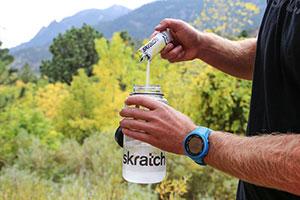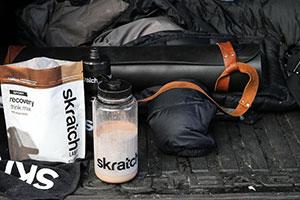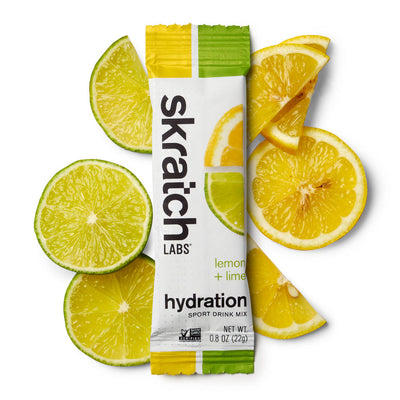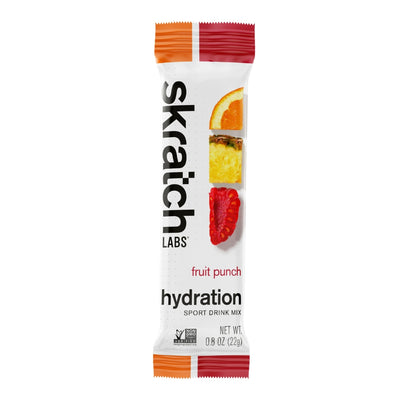



Yesterday (stage #5) started at 4 AM for us, wake up, plug in rice cookers, get dressed and out the door with cooked rice by 4:45. Jon, Patrick, Aaron and Chay are blending rice and seasonings by 5:30, rice cakes are pressed into large commercial baking sheets, and ready to go by 6:30. yesterday we did 4 of these, or approx 480 total cakes. While the Skratch Team sorts out rice cakes, I'm working with the host Chef and his team to get breakfast set up and rolling. 4 days into the race, we're in Santa Barbara and right on queue we're having the best meals of the whole week. By 7:00 we have a crowd of Soigny's from all the various teams, hunched over low tables, and wrapping as fast as their hands and fingers can move. Throughout the day you can watch TV coverage and see dozens of our rice cakes being handed up and eaten throughout the race. 9:00 AM, As always I wait until the last rider has had breakfast, then load up and drive to our next stop...shopping for all the riders Recovery Meal today.


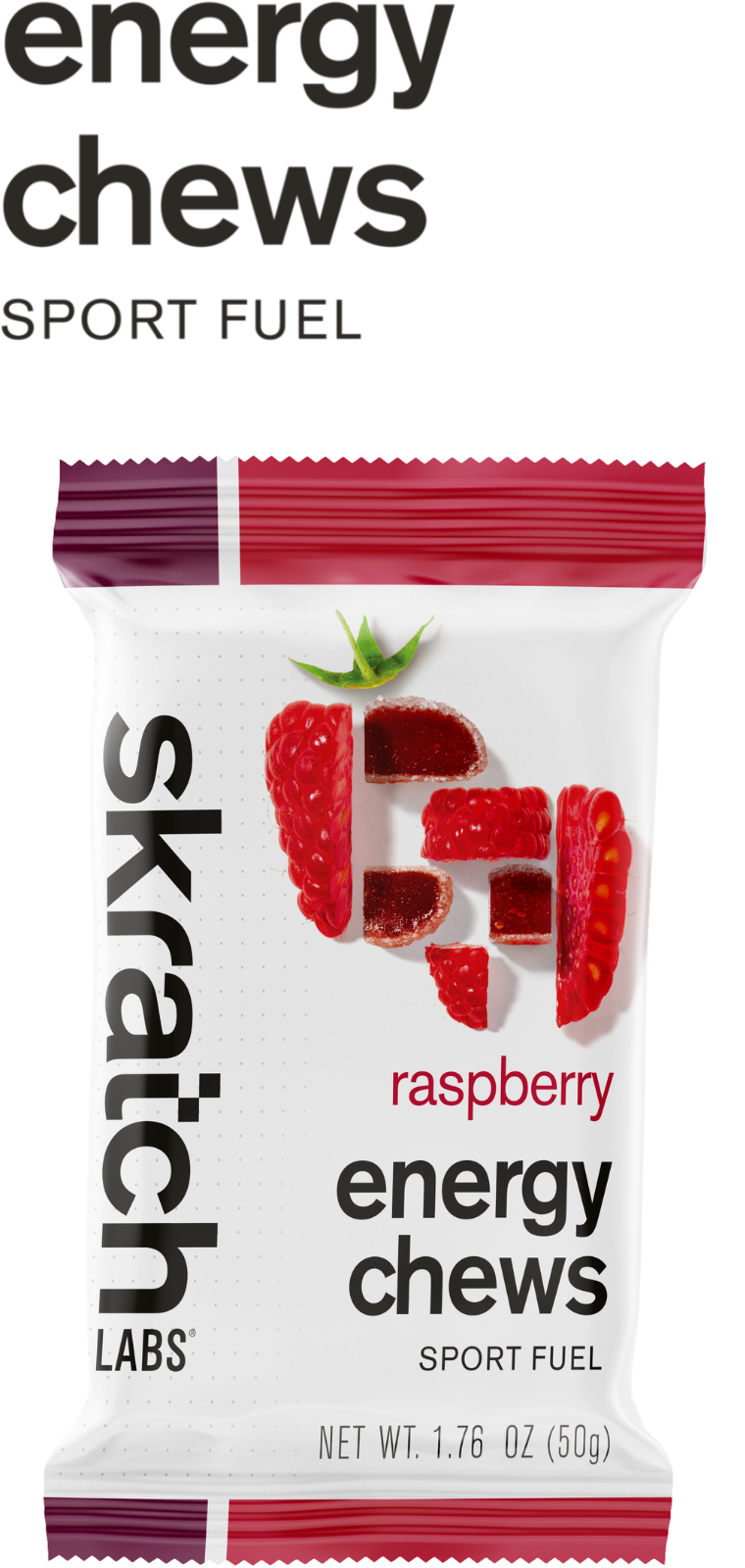
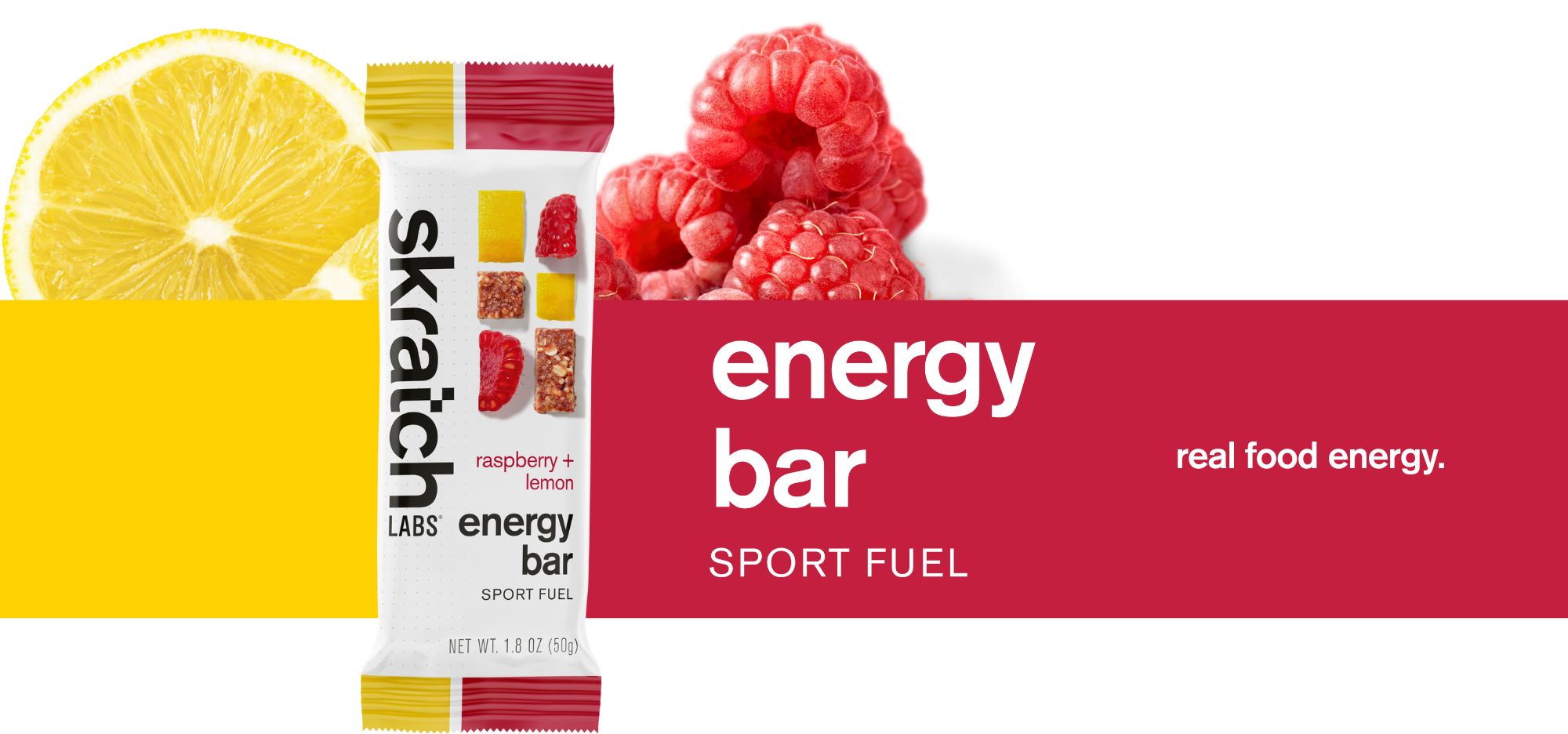
At Skratch Labs we get asked a lot of questions. One of the most common is "When are you going to make a food product?" The answer is: Today! We are very excited to introduce our new Real Food product line. Please watch the attached video to learn about our first item, which is available starting right now. Be among the first to try it out and don't hesitate to let us know what you think.
So far, every time I’ve gotten on a plane this year, I’ve flown to somewhere colder than where I was previously. I started the year in Los Angeles, leaving LAX at a nice balmy 70˚F, before heading back home to Colorado where temperatures were a cold but manageable 40˚F. Unfortunately, things started really getting tough when I headed out to spend the week in Verona, Wisconsin for the Cyclocross National Championships, where we brought the Skratch Lab’s kitchen trailer to cook for racers and spectators. I knew it was going to be cold heading out, but working in 20 to 30˚F temperatures all day was a harsh reminder of all of the challenges and risks associated with exercise and exposure in sub-freezing temperatures.
While I’ve spent a large part of my career thinking about how to improve performance in hot weather conditions, the reality is that humans are extremely well suited to cope with the heat. When it gets hot, we easily and effectively redirect blood flow to help dissipate heat to the skin, we sweat to help cool that skin, we make quick hormonal adaptations that increase our ability to hold and store water, and we become more efficient at this whole process the more we are exposed to the heat.
In stark contrast, humans have very few and fairly unsubstantial responses to the cold. Blood vessels can clamp down to help keep warm blood at the core, we might shiver to increase our metabolic rate, and for some individuals, after consistent exposure to the cold an increase in the core temp during exercise or an input of heat into the core can cause blood flow to increase to the hands and feet helping to keep the extremities warm despite the cold – something known as the “Hunter’s Reflex.” These responses, however, do little to actually keep us from losing precious body heat. Unlike some animals, our fur is limited and we can’t just burn fat to create heat, so our only real option for preventing hypothermia or other cold weather related injuries like frostbite or exercise-induced bronchoconstriction depends on our behavior and technology.
When we exercise in the cold, we might be creating extra heat, but the combination of sweat, movement, and an increased ventilation rate can create some real problems. Ironically, one of those problems is the loss of even more heat and the risk of getting too cold once we stop exercising because of excess moisture from sweat. In fact, Eric Larssen, who we supported on his recent attempt to ride to the South Pole, faced temperatures in Antarctica that were so cold that he had to find an exercise intensity that was just hard enough to keep his bicycle moving, but easy enough that he would minimize any sweat production or risk freezing when he stopped.
That extra heat production from exercise and the ease at which we can lose that heat in the cold also puts extra strain on our fuel stores. In particular, when exercising in the cold, we preferentially rely on carbohydrate in the form of stored glycogen. A lot of that is due to an increase in our fight or flight response – activation of our sympathetic nervous system that works in the background without conscious attention to keep us charging under stress. Cold as a basic stress causes our sympathetic nervous system to light up which can cause us to waste precious energy, especially carbohydrate, making it a lot easier to bonk or hit the wall in the cold. Despite having ample fat stores available to us, once we run out of carbohydrate, we risk becoming hypoglycemic (low blood sugar). Since our nervous system and brain rely solely on glucose (i.e., sugar or carbohydrate) we can get really loopy when that happens. While becoming hypoglycemic at any temperature is bad enough, becoming hypoglycemic and hypothermic can be even worse since in and of itself, hypothermia can also lead to a host of issues like confusion, apathy, irritability, and cardiac arrhythmias. Thus, making sure we have plenty of food available, especially simple sugar, can be a lifesaver when it’s cold or when we get cold.
This increase in sympathetic tone can also result in something known as cold diuresis. Essentially, when we’re cold or exposed to the cold we pee – a lot. As our sympathetic tone increases, it causes our blood vessels to stiffen which increases our blood pressure. At the same time, the cold causes blood vessels in our skin and periphery to constrict which drives more blood to our central blood volume further increasing blood pressure. This ultimately causes our kidneys to respond by pushing out dilute urine into our bladder and inadvertently dehydrating us even if we previously drank enough.
Another issue is that cold air is extremely dry air, which can damage our delicate lungs which function best when the air we breathe is brought up to 100% humidity and to body temperature (37.0˚C / 98.6˚F). This is easily done at warm temperatures, but at a given relative humidity, the colder the temperature the less water the air holds. As an example, at 100% relative humidity, there is 44% less water in the air from 0˚C compared to 10˚C (5 grams of water per liter of air versus 9 grams of water per liter of air). So when people say “it’s too cold to snow” it probably is too cold to snow since the air can’t hold the moisture. The net result is that as the temperature drops, we lose more water and heat through our lungs to humidify and heat the air we breathe. Specifically, depending upon the humidity, at 0˚C (32˚F), we can lose anywhere from 20-30% more water through our lungs compared to 20˚C (68˚F), and from 40-50% more water compared to when the temperature is at 30˚C (86˚F).

At rest, when our ventilation rate is only about 5 liters of air per minute, the amount of water we lose through our lungs is fairly insignificant - about 10.5 ml of water per hour at 0˚C and 6.5 ml of water per hour at 30˚C. But this small amount can become a really big deal when we are exercising and ventilation rates can be as high as 100 to 150 liters of air per minute. At a ventilation rate of 100 liters per minute, we can lose as much as 211 ml of water in an hour at 0˚C through our lungs versus 132 ml of water in an hour at 30˚C. This difference isn’t trivial since in many cases, our lungs can’t actually keep up with this differentially and the air we breathe isn’t fully brought up to temperature and humidity in the lower airways. This can lead to inflammation, damage to our airway structure, and a higher prevalence of exercise-induced bronchoconstriction and asthma in the cold winter season – something that can be worsened by dehydration or inadequate fluid replacement in the cold.
The question, however, is if all of this actually adds up to real dehydration in cold weather. While there are obvious risks of not getting adequate fuel and hydration in the cold and while there is a good rationale for how one might be at risk for becoming dehydrated in cold environments, there’s not too much research on hydration status in cold temperatures. This may be due to the fact that it’s not actually a problem and not something that we either worry about or study. But, that lack of attention may also be a problem in and of itself. In fact, in a recent study examining hydration status and sodium balance in a group of junior women’s soccer players in a cool environment, the players did not drink enough or consume enough sodium despite very low sweat rates (Gibson, et al. 2012). In another study, that examined water turnover and core temperature on Mt. Rainier, researchers found that hydration demands during the ascent in a group of seven novice climbers was elevated and that the climbers lost a significant amount of fluid despite not showing an elevation in core temperature (Hailes, et al. 2012). In both situations, dehydration occurred despite a lack of a heat stress and perhaps because of a lack of drive to drink due to the cold. Because, even a small amount of dehydration can hurt performance (Yoshida, et al. 2002), it stands to reason that staying focused on hydration, even in the winter, can help improve one’s performance.
With all of this in mind, it’s obviously important to first and foremost do everything you can to stay warm when temperatures are cold. For the most part, much of this comes down to our behavior – to being prepared and having the right gear if you’re planning to head out and exercise in the cold. Investing in the right clothing is obviously the first place to start – a high quality and tight wicking base next to the skin, an insulting wool over that, high loft materials for extra warmth as another layer of defense, and a final barrier to stop the wind on top. Add to that gloves, a good neck gaiter, something to cover your face and create a barrier to help maintain moisture lost through breathing, good head protection and booties to keep your feet warm. Also, instead of putting air activated toe and hand warmers around your feet and hands, try putting them next to your chest and see if that “Hunter’s Reflex” works for you.
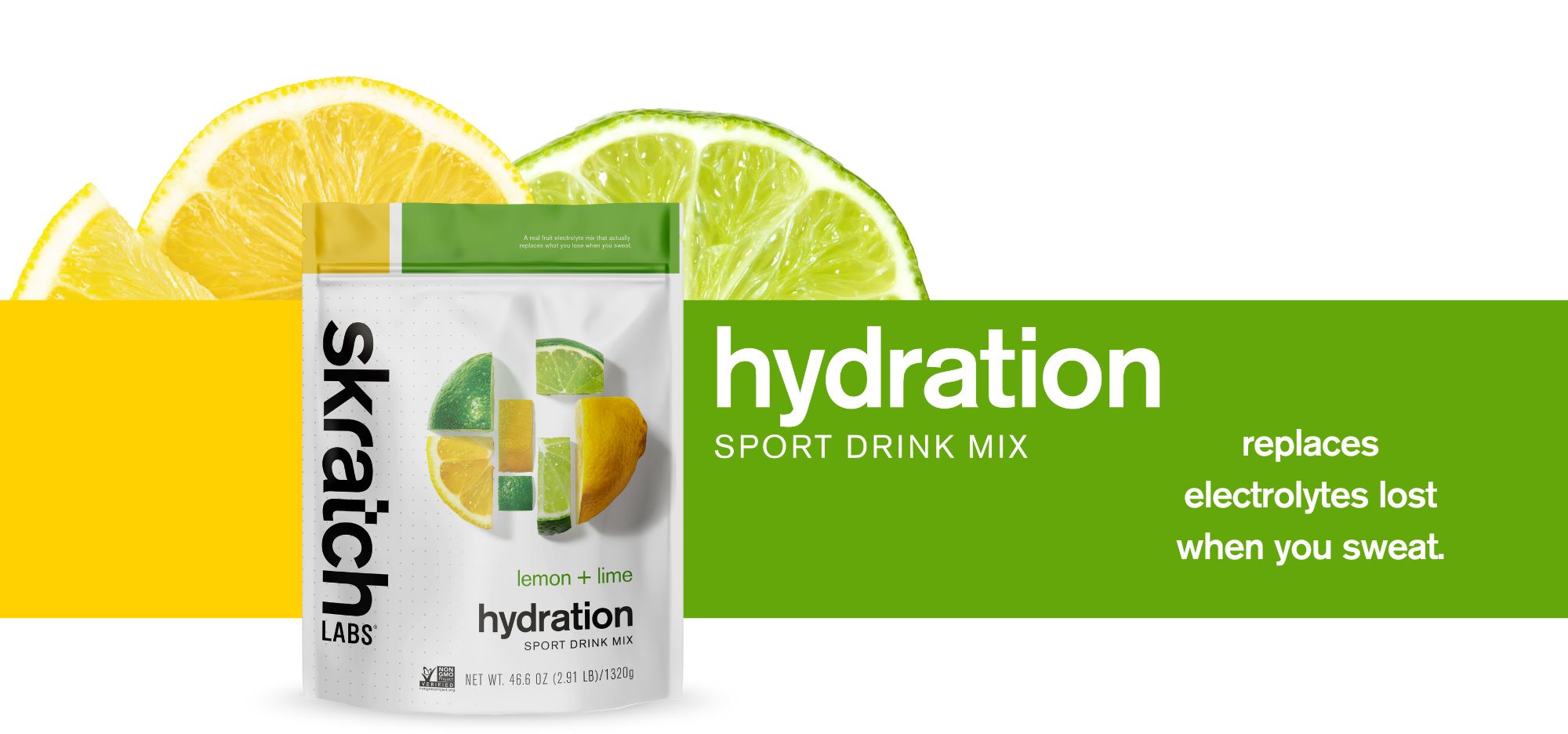
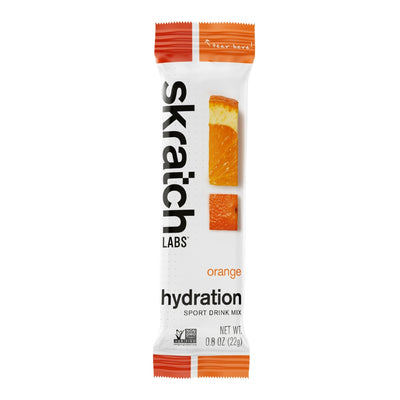
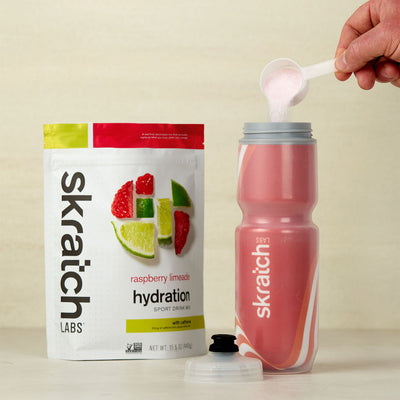
Beyond the right clothing, it’s just as important to focus on your food and hydration in the winter as it is anytime of the year with some subtle differences. First and foremost, realize that your need for carbohydrate at any given intensity is probably going to be higher when it’s cold. So don’t forget to eat and to bring those simple sugars outdoors with you. Next, just because you may not sense that you are losing a lot of fluid or you may not feel that you need to drink, making sure you stay on top of your hydration, especially with something warm. It’s a lot easier to keep your core temperature up from the inside out than it is from the outside in, so having an insulated bottle and keeping some warm hydration product can be a small but significant thing. This is one of the main reasons we decided to develop our Apple and Cinnamon exercise hydration drink mix. We wanted something that would taste good hot and that would remind us to bring something hot out with us that had some calories and electrolytes in it for exercising in the cold.
Finally, use common sense. Sometimes it’s best to just stay indoors and go to the gym, get on a treadmill, or ride the trainer. Be smart out there and use your head. In cold weather, it’s really our best tool.
For more on the topic, check out the references below:
Gibson, J. C., Stuart-Hill, L. A., Pethick, W., & Gaul, C. A. (2012). Hydration status and fluid and sodium balance in elite Canadian junior women’s soccer players in a cool environment. Appl Physiol Nutr Metab, 37(5), 931-937.
Hailes, W. S., Cuddy, J. S., Slivka, D. S., Hansen, K., & Ruby, B. C. (2012). Water turnover and core temperature on Mount Rainier. Wilderness Environ Med, 23(3), 255-259.
Kippelen, P., Fitch, K. D., Anderson, S. D., Bougault, V., Boulet, L. P., Rundell, K. W. et al. (2012). Respiratory health of elite athletes - preventing airway injury: a critical review. Br J Sports Med, 46(7), 471-476.
Marek, E., Volke, J., Muckenhoff, K., Platen, P., & Marek, W. (2013). Exercise in cold air and hydrogen peroxide release in exhaled breath condensate. Adv Exp Med Biol, 756, 169-177.
McMahon, J. A., & Howe, A. (2012). Cold weather issues in sideline and event management. Curr Sports Med Rep, 11(3), 135-141.
Sue-Chu, M. (2012). Winter sports athletes: long-term effects of cold air exposure. Br J Sports Med, 46(6), 397-401.
Yoshida, T., Takanishi, T., Nakai, S., Yorimoto, A., & Morimoto, T. (2002). The critical level of water deficit causing a decrease in human exercise performance: a practical field study. Eur J Appl Physiol, 87(6), 529-534.
(2011). Update: cold weather injuries, U.S. Armed Forces, July 2006-June 2011. MSMR, 18(10), 14-18.
Here at Skratch Labs there’s a lot of talk about how important proper hydration is during exercise. We talk about how your power output will drop significantly if you become even slightly dehydrated. About how many calories, how much salt, and exact amounts of fluid you should be taking in per hour. About the differences between our sports drink and our competitors. And those things are important and those differences are real, but there are times when proper hydration is much more important than just helping you have a great race or day of training.
Those of you who follow Skratch closely may have noticed that I’ve started writing a weekly blog for our site. I’m doing it to keep you up to date with all the goings on here as we continue to grow and expand thanks to all of your support. Hopefully it will serve as way for us to keep you informed and, if I do my job well, at least slightly entertained from time to time. We’ve experienced plenty of growing pains this year but we’d like to think that we’re taking a lot more steps forward than back these days. I hope you’ll follow along and take this journey with us.
OK, all that being said, it’s going to be tough for me to write about what happened at Skratch Labs this week because I honestly have no idea. Seriously. As I mentioned previously, I split town last weekend, hooked up with a few old friends from college and rode my bike from San Francisco to Santa Barbara. Good times were had by all. Except perhaps me on Day Two when I started cracking with nearly 100kms still to go in our planned 200km day from Santa Cruz to Big Sur. No idea what happened- it may have been the heat (my first ride in 90+ temps in months), the early pace on the climbs trying to keep up with two guys a lot faster than me, or more likely just an overall lack of fitness in general. Regardless of the reason, it was a hard ride but I lived to fight another day and the rest of the trip was a blast. I’ve started playing with a couple of GoPros we have lying around the office and put together a little vid of the trip.
I was back in the office by Thursday so even though I was kind of in a daze after putting in some 400 miles in four days and then flying straight out of SB Wednesday night and not getting home til after 2am, I’m not completely in the dark about what happened here this week. I was very happy to see that little Lexi was in the office on Thursday as she is always a source of great entertainment for everyone. Here she is as the Queen of Skratch Mountain.
Lexi comes in about once a week and helps us pick and pack orders in between naps and playing with the now as many as five dogs we have in the office at any one time. Lucy, Mahari, Penny, Ozzie, and Shona.
Several of the gang made another trip to consult with Joe Gibbs Racing. Allen, Ian, and our newest Skratcher, Lauren, all went out to Charlotte to get their NASCAR on this week. I’m counting on them for a full report from the field this time so stay tuned for that. Here they are, excited about escaping all the snow we had this weekend here in the Colorado Front Range. Nice shirts, kids.
As out of touch with the office as I was this week, there is one thing I know for sure: The Skratch Team is made up of some very kind and generous people. After all, while we have grown a lot this year, the reality is that we are still pretty darn small so when any one person is out for a few days, it puts a heavier burden on those still at the office and I'm grateful they were willing to pick up the slack created when I took a few days off. I know I am very lucky to have such a great team to work with. Hopefully, they’ll all get their own version of the Coast Ride soon and I can repay the favor by being here while they get to play for a few days. It’s the least I can do. So huge thanks to those who were in the office this week so that I didn’t have to be- I owe you one.
Thanks for reading.
Aaron