











At the Tour de France Femmes, there is always tension between outcome goals and process goals.
Outcome goals are the results we hope to achieve: a fast time, a strong placing, or a performance that moves the team forward. Those results matter, but they are never completely within our control.
Process goals are different. They are the specific, repeatable actions that create the opportunity to achieve those results. They are the way we make our own luck.
On Stage 4’s individual time trial, one of our most important process goals was keeping the athletes cool before they started.
Why Starting Cool Matters
As an athlete’s core temperature rises, the body sends more blood toward the skin to help release heat. That means less blood may be available to deliver oxygen to the working muscles.
The hotter an athlete becomes before the race even begins, the harder the body may have to work once the effort starts. The more we can do to prevent core temperature from drifting upward before the time trial, the more thermal capacity the athlete has available during the race.
But before we can manage temperature, we need to measure it.
Each morning, the athletes swallow an ingestible thermometer that allows us to monitor their core temperature in real time. Our goal before the time trial was to keep each rider at her resting baseline—approximately 37.3 degrees Celsius or lower.

To accomplish that, we used wet ice towels, fans, airflow, and ice water.
We chose not to use ice vests. In my experience, some ice vests can be so cold that they cause strong vasoconstriction at the skin. When the blood vessels near the skin constrict, less warm blood can reach the body’s surface to release heat. That can make it more difficult to manage core temperature effectively.
With wet ice towels, consistent airflow, and ice water, we were able to keep the athletes at or below their baseline temperature without excessively cooling the skin.
It sounds simple, but it requires a tremendous amount of coordination.
The students and Dr. Kim constantly changed towels, managed airflow, supplied ice water, and monitored each athlete’s core temperature in real time. Their attention and effort helped us accomplish one of the day’s most important process goals.
“We control the things we can. The rest is racing.” - Allen Lim

The Rest of the Time Trial Process
Temperature management was only one part of the preparation. Time-trial day also gave us more time than a typical road stage to focus on eating, warming up, and getting every detail in place.
1. Eat More Throughout the Day
With more time available before the start, the riders could have a substantial breakfast, a complete pre-race meal, and hopefully an earlier dinner afterward.
The goal was not only to fuel the time trial. It was also to use the day as an opportunity to eat more overall, top off energy stores, and prepare for the remaining stages of the Tour.
2. Eat the Race Meal Three Hours Before the Start
The riders ate their primary pre-race meal approximately three hours before their individual start times.
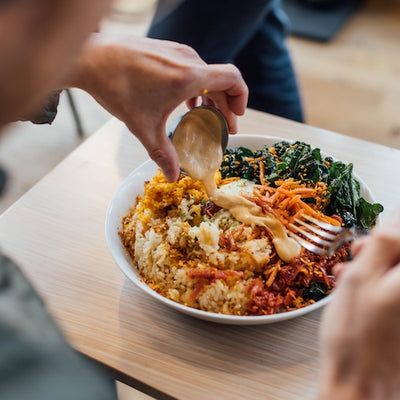
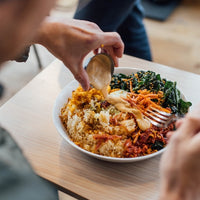
The meal was simple and familiar: rice and eggs.
3. Leave Plenty of Time for the Warm-Up
A time-trial warm-up is carefully structured, but the schedule also needs enough margin for each athlete to settle in before heading to the start house.
Rushing creates unnecessary stress. Giving the athletes plenty of time allows them to complete the warm-up, get dressed, check their equipment, and arrive at the start ready to race.
4. Hydrate During the Warm-Up
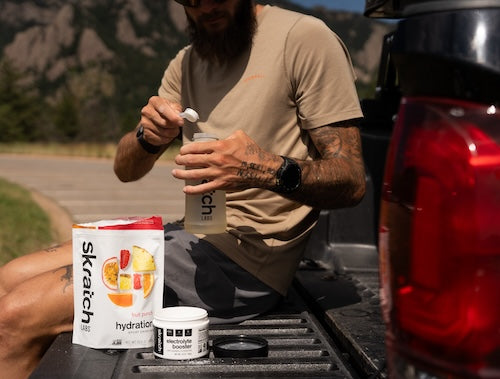
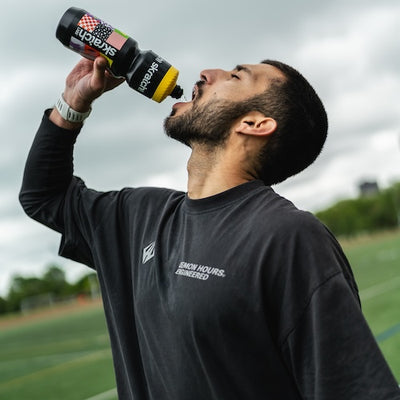
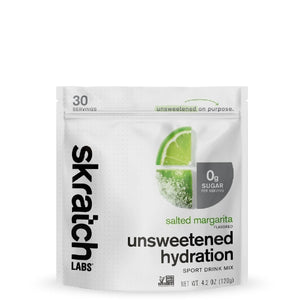
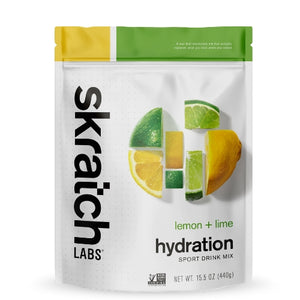
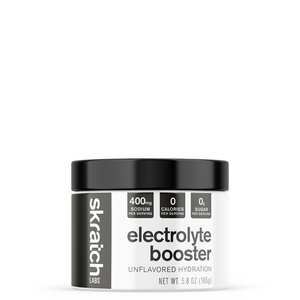
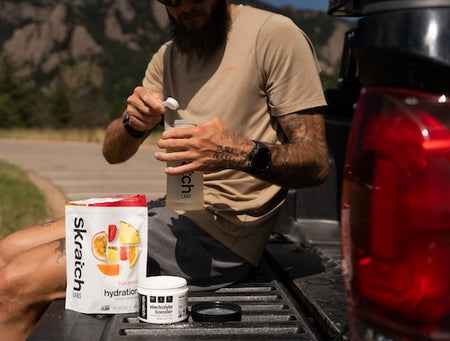
During the warm-up, the riders used either Electrolyte Booster or Hydration Sport Drink Mix.
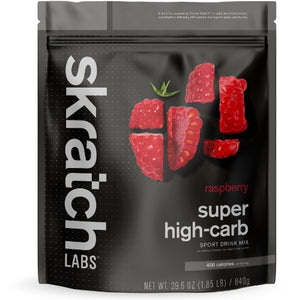
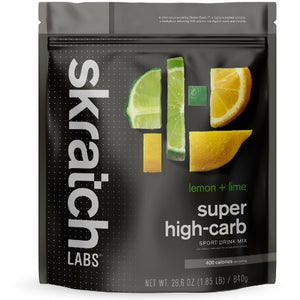
Approximately 10 minutes before starting, they finished a high-carbohydrate start bottle with added sodium to provide one final dose of fuel and fluid before the effort.
5. Check Every Piece of Equipment
Time-trial preparation also means accounting for every piece of equipment:
The helmet. The skinsuit. The race number. The booties. The bike. The bottles.
Nothing can be left until the last minute.

Process Creates Opportunity
The outcome of a time trial is ultimately recorded as a time and a place on the results sheet. But the opportunity to produce that result is built through hundreds of smaller actions.
It is built through the meal eaten three hours earlier. The towel changed at exactly the right moment. The bottle prepared with the right amount of carbohydrate and sodium. The warm-up completed without rushing it. The helmet checked one more time.
The result may be uncertain.
The process does not have to be.

