































Sports fueling is evolving fast. For years, endurance athletes were told to target 60–90 grams of carbs per hour during long or intense efforts—a range supported by decades of research showing improved energy, reduced fatigue, and fewer bonks.
But recently, we’ve seen something interesting: more elite athletes pushing beyond 90g/hr. Some hitting 100g. Others approaching 120–150g/hr on race day.
So what’s going on?
Are they fueling smarter—or just flirting with GI disaster?
Let’s break it down.
Why 60–90g/Hour Became the Gold Standard
The 60–90g/hr recommendation isn’t arbitrary—it's grounded in how our body absorbs and uses carbs for energy.
-
Single carb sources (like glucose alone) max out around ~60g/hr.
-
Combining glucose + fructose uses multiple transport pathways.
-
Studies show improved oxidation and performance up to ~90g/hr.
Translation: 60–90g/hr is where the science is strongest and most people can perform well without overwhelming the gut.
So Why Are Pros Going Higher?
A few reasons:
-
More intense efforts = higher caloric demand.
-
Aggressive pacing means front-loading fuel.
-
Gut training allows greater carb tolerance over time.
-
Better drink mixes and carb blends (like glucose + fructose) help absorption.
These athletes didn’t jump from 60 to 120g/hr overnight—they earned it through training both their fitness and their gut.
Do You Need to Do the Same?
Here’s the honest answer: more carbs aren’t automatically better.
Fueling works only if you can absorb what you consume.
Otherwise you’re not fueling—you’re fermenting.
If you want to explore 100g+ per hour, you need to:
-
build capacity gradually,
-
mix carb sources,
-
and test fueling at race intensity.
For most endurance athletes, 60–90g/hr remains the sweet spot for performance, comfort, and consistency. Going higher is possible—but it’s a strategy, not a shortcut.
So now that we’ve framed the debate, let’s answer the practical question you actually came here for:
How much carbohydrate do you need during exercise?
How Much Carb Do I Need?
When it comes to powering through high-intensity endurance exercise, carbs are your main fuel source. But how much do you really need for optimal performance?
Figuring out your hourly carb intake is key to planning your training and race strategy—and many athletes get this wrong. Specifically? Underfueling. Don’t put yourself in that pickle.
Setting Priorities Straight
There’s a lot of confusion around how many carbs you need, what type, and how much you “should” consume. Ultimately, it comes down to two things:
1️⃣ getting enough
2️⃣ in a format your gut tolerates
Quality matters—but quantity matters more.
Why Do We Need Carbs During Intense Exercise?
Your body stores carbs as glycogen in your muscles and liver. During hard exercise, you burn through those stores quickly—especially in the first 90–120 minutes.
Think of carbs like gas in your car:
-
Quality matters.
-
But if the tank is empty, you’re not going anywhere.
As glycogen declines, so does performance. Taking in carbs during exercise keeps blood sugar steady, delays fatigue, and supports sustained effort.
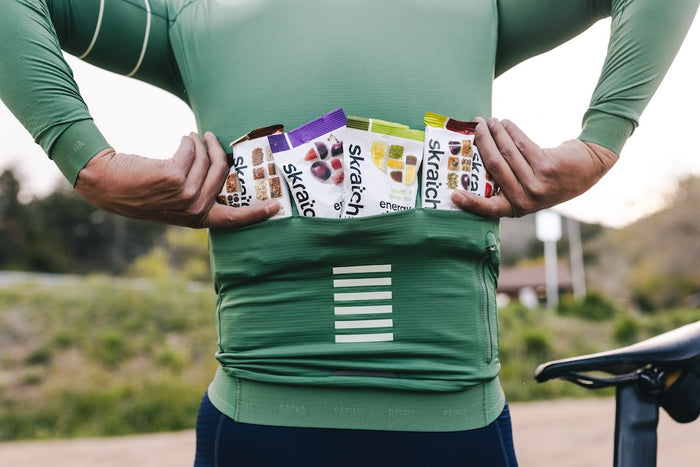
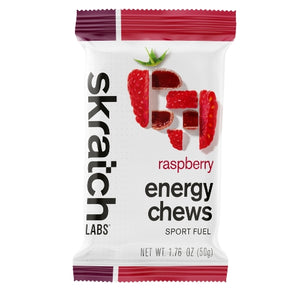
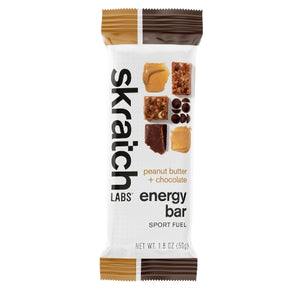
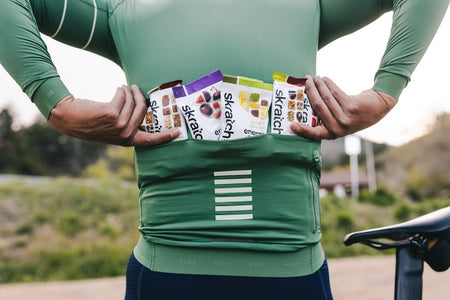
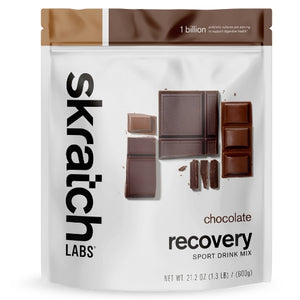
That’s why sport drink mixes, chews, gels, bars, and real foods play such a critical role during longer sessions.
How Much Carbs Do You Need Per Hour?
Your ideal intake depends on intensity, duration, and tolerance.
Here are general guidelines:
-
1–2 hours: 30–60g per hour
-
2–6 hours: 60–90g per hour
-
6+ hours: 60–90g/hour + real-food carb + some fat + protein
Most amateur athletes underfuel—especially during races and long training days. If these numbers seem high, that might be exactly why your performance isn’t matching your effort.
Gradually increasing your intake during training builds tolerance and improves endurance.
Understanding Carbs Per Hour
Here’s an important point:
Your body size does NOT significantly change carb needs per hour.
Why?
Because the limiter isn’t muscle mass—it's gut absorption.
Whether you weigh 110 or 198 pounds, the gut’s carb transporters operate similarly. What matters most is:
-
practice
-
tolerance
-
the types of carbs you choose
Liquids, solids, and semi-solids all work—find the mix that works best for you.
Understanding Simple vs. Complex Carbs
Let’s simplify.
Simple Carbs = Quick Energy
These are rapidly absorbed and great for:
-
mid-race boosts
-
high intensity work
-
short efforts
Examples:
-
fruit
-
chews
-
gels
-
some drink mixes
-
honey
Think of them as your race car turbo button.
Complex Carbs = Sustained Energy
These digest more slowly and support:
-
long duration efforts
-
steady pacing
-
glycogen topping
Examples:
-
oats
-
rice
-
potatoes
-
pasta
Think of them as cruise control on the highway.
Why Athletes Need Both
To perform at your best, timing and balance matter:
-
Pre-Workout: lean on complex carbs to fill the tank.
-
During Exercise: use simple carbs for quick energy + complex carbs for longer events.
-
Post-Workout: rebuild glycogen with both for recovery.
A mix gives you immediate energy plus staying power—without flavor fatigue or GI distress.
So… Are More Carbs Better?
Sometimes.
But only if you can tolerate them.
Here’s the simplest takeaway:
-
new or intermediate athletes: 60–90g/hr is your sweet spot
-
long-distance / ultra athletes: 100–120g/hr may help—if trained
-
elite / high-volume: 120–150g/hr requires gut adaptation and caution
At Skratch Labs, we believe in fueling smarter—not just fueling more.
The right carb strategy is the one you can consistently absorb, tolerate, and use to support strong pacing through the finish—not just the biggest number.
If you want help dialing in your fueling?
We’re here.
📧 info@skratchlabs.com
